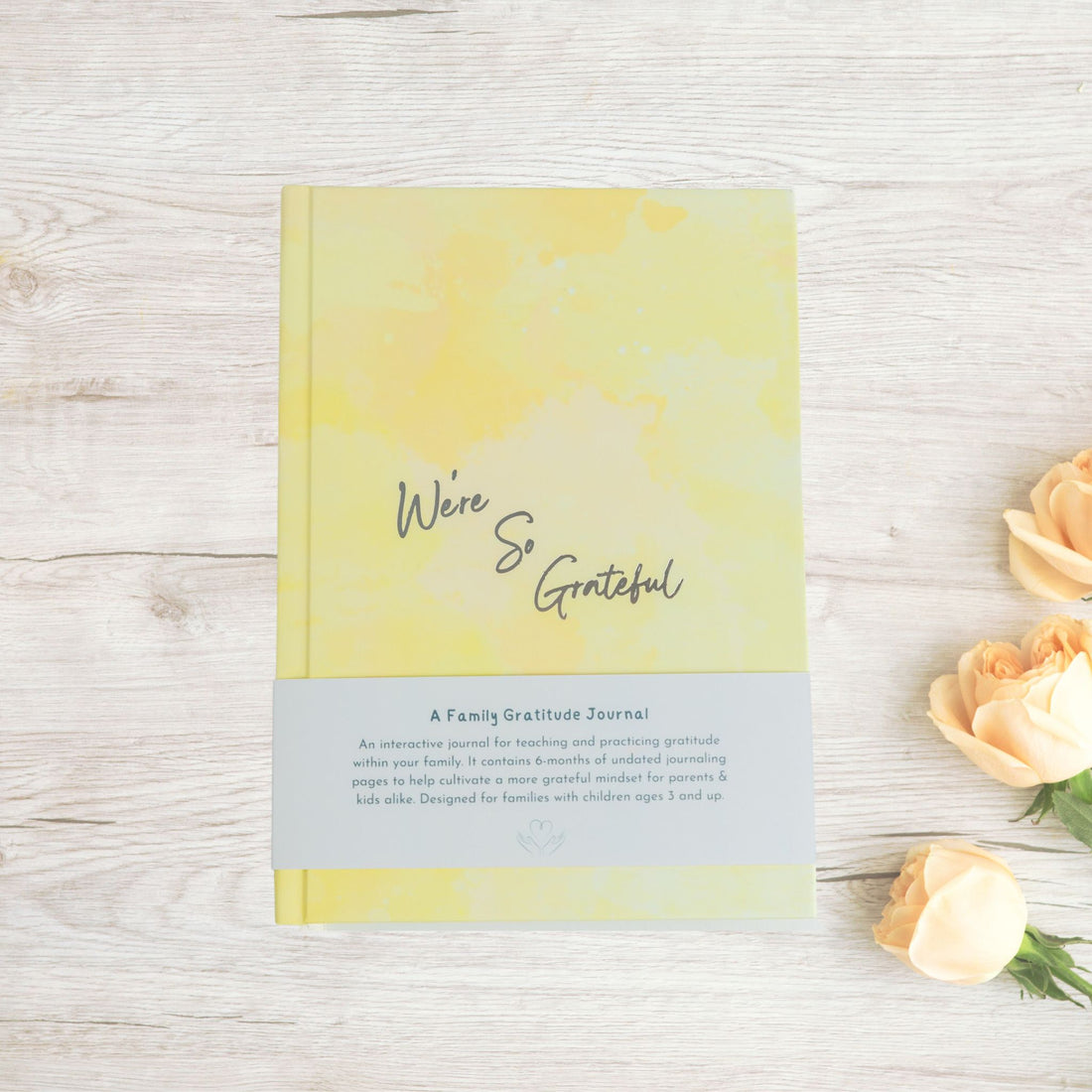
Gratitude is a beautiful practice, and when we involve our kids, it becomes all the more magical. There's something heartwarming about watching our children grow into grateful beings, especially in a world that often feels overwhelming. Keeping a family gratitude journal can be an amazing way to connect with our kids and teach them about self-love and appreciation.
Why Start a Gratitude Journal?

At home, we like to sit down with our gratitude journals and reflect. Have you tried it with your little ones yet? Whether you're into manifestation journaling or just looking to highlight self-love for moms and kids alike, journaling is a powerful tool. Specifically with kids, it can spark real conversations that evolve past the simple "How was your day?" Imagine journaling for moms combined with a little family gratitude—it’s a game-changer!
Before we dive into the list, if you're interested in beginning your own family gratitude journal, check out We're So Grateful: A Family Journal. It's perfect to get started with meaningful conversations.
25 Gratitude Journal Prompts for Kids
- What made you smile today?
- Who is someone you're thankful for and why?
- What's something fun you enjoyed recently?
- Tell me about a time you helped someone. How did it make you feel?
- What’s a special talent or skill you’re grateful for?
- Describe a place you're happy to have visited.
- What’s your favorite thing to do on a rainy day?
- Who is your favorite teacher or coach, and why do you appreciate them?
- What’s one thing you love about yourself?
- What's an adventure you've been on that you're thankful for?
- What’s a book, movie, or song you’re glad exists?
- Name a family tradition you’re grateful for.
- Describe a time someone made you laugh.
- What's your favorite meal that someone cooked for you?
- What’s a skill you've learned that you’re grateful for?
- What’s a favorite memory with the family pet?
- What was your favorite birthday or holiday celebration?
- Name one thing you appreciate about nature.
- What’s a hobby or activity you’re thankful to have tried?
- Who is a friend that makes you feel happy?
- Share a time you felt proud of yourself.
- What’s an unexpected surprise that brought you joy?
- What’s a favorite outfit or item you own?
- Tell me about a dream you’ve had that made you happy.
- What’s something new you want to learn?
Journaling Together

Finding the right journal is essential to keep the excitement going. Journals make it easier to process our thoughts and emotions. For a more guided approach, consider the Magic: 90-Day Guided Journal for Beginners or the Magic Journal Bundle: 90-Day + 6-Month Manifestation & Self-Discovery Journals. They can be wonderful companions whether you're working on individual growth or engaging in journal prompts for manifestation with your family.
If you feel like expanding this practice, you might want to explore future-focused ideas with the Future Self Activation Session — Manifestation Coaching. It’s a fantastic way to dive deeper into what gratitude and manifestation can truly offer.
Remember, it’s not just about writing words on paper. It’s about cultivating an atmosphere of connection and understanding with your little ones. So, grab your family gratitude journal and start the conversation today. You never know what you might discover about each other and yourselves.
For more on nurturing gratitude and personal growth, visit Bliss’d. Happy journaling!
FAQs
What is a gratitude journal prompt?
A gratitude journal prompt is a specific question or statement designed to encourage reflection and expression of gratitude. It helps individuals, especially kids, think about the positive aspects of their lives and articulate what they're thankful for.
Why should kids use gratitude journal prompts?
Using gratitude journal prompts can help kids develop a positive mindset, enhance emotional well-being, and improve their self-esteem. It encourages them to focus on the good in their lives and fosters a habit of reflecting on their feelings.
How can I encourage my child to write in a gratitude journal?
Start by setting a regular time each day or week for journaling, making it part of their routine. You can also participate in journaling together, share your own entries, or turn it into a fun activity by using colorful supplies or stickers.
What age is appropriate for kids to start a gratitude journal?
Kids can start keeping a gratitude journal as early as age 5 or 6, as long as they are able to write or dictate their thoughts. Younger children may benefit from guided prompts and adult assistance in articulating their feelings.
How can I help my child understand the concept of gratitude?
Engage them in discussions about the things they appreciate in life, such as family, friends, and experiences. Reading books or sharing stories that emphasize gratitude can also help them grasp the concept more fully.
What if my child struggles to come up with things to write about?
Encourage them by offering examples from your own gratitude practice and reminding them that it’s okay to start small. Using prompts that focus on everyday experiences or recent events can help spark ideas.
Are gratitude journal prompts suitable for all children?
Yes, gratitude journal prompts can benefit children of all backgrounds and personalities. However, some kids may need more guidance or support, especially if they struggle with expressing their emotions.
How often should kids write in their gratitude journals?
Encourage kids to write in their gratitude journals as often as they feel comfortable. Some may prefer daily entries, while others might find weekly reflections more manageable. The key is to be consistent and make it enjoyable.
Can gratitude journaling improve my child’s social skills?
Yes, gratitude journaling can enhance a child's social skills by encouraging them to recognize and appreciate others. This practice can lead to more positive interactions, empathy, and stronger friendships.